
Discover the most watched sporting events in the world, from the FIFA World Cup and Olympic Games to cricket, tennis, cycling, and the Super Bowl, with a full breakdown of what makes these spectacles global audience giants.
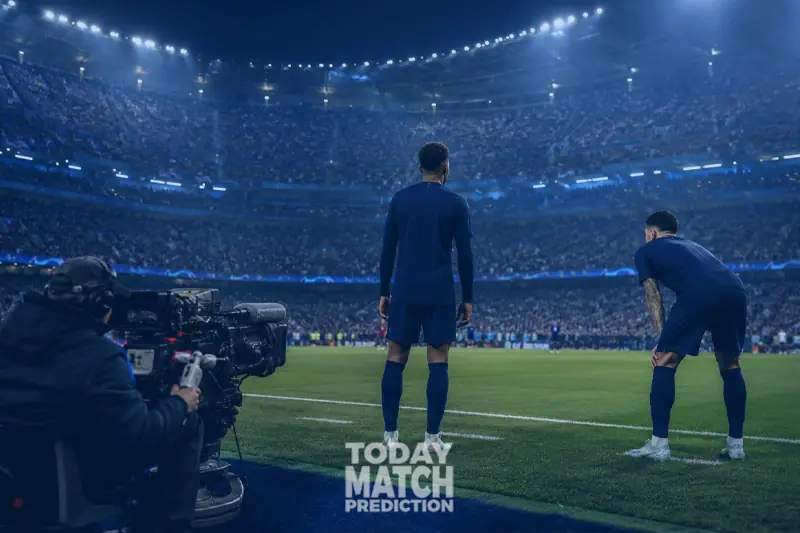
The global spectacles that turn sport into a shared experience for millions across continents
There are major sporting events, and then there are the rare occasions that seem to pull the whole world into the same conversation. These are the days when stadiums become symbols, television audiences explode, streaming platforms surge, and even people who do not follow sport every week suddenly want to be part of the moment. The most watched sporting events in the world are not simply the biggest because of tradition or media hype. They sit at the top because they combine emotion, scale, timing, history, and spectacle in a way that ordinary competitions never can.
At their best, these events do far more than produce winners and losers. They create atmosphere before they begin, tension while they unfold, and memory long after they end. They bring together dedicated fans, casual viewers, families, brands, broadcasters, and entire nations. They dominate headlines, fill social media feeds, and become cultural landmarks. In a world where attention is constantly fragmented, that is an extraordinary achievement. It takes more than sporting quality to command that kind of audience. It takes significance.
That is why any serious look at the most watched sporting events in the world needs to go beyond a shallow ranking. Audience size can mean different things. A single final can attract a massive live audience in a few hours, while another event builds extraordinary reach across several days or weeks. Some competitions are powered by true global spread, with fans everywhere. Others draw strength from a smaller number of markets that follow the event with such intensity that the final figures still become enormous. What matters is not only how many people watch, but why they watch, how they watch, and what the event represents when it arrives.
When sport becomes larger than sport
The clearest example of this transformation is the FIFA World Cup. No other event captures the emotional architecture of global sport quite like it. Football is already the most popular sport in the world, but the World Cup lifts it into another dimension. It takes a game that is deeply embedded in club culture and reframes it through national identity, historical pressure, and generational legacy. The result is an event that feels both intensely personal and universally relevant at the same time.
The World Cup works because it offers something that very few competitions can match: immediate emotional clarity. People understand what is at stake. It is country against country, dream against pressure, memory against expectation. Viewers do not need to follow every league in Europe or South America to understand the importance of a knockout match at a World Cup. The format is simple, the drama is obvious, and the consequences are enormous. That combination makes the tournament incredibly accessible to casual viewers while still remaining rich enough for the most serious football audiences.
It is also a tournament that rewards narrative better than almost any other event in sport. Every edition produces its own mythology. There are rising stars, fading legends, tactical revolutions, shattered favourites, surprise contenders, and moments that are replayed for decades. A World Cup final is never just a match. It is the end point of weeks of pressure and months of anticipation, framed by years of waiting. That is one reason it continues to stand as the benchmark when people discuss the largest audiences in world sport.
If the World Cup is the ultimate single sport phenomenon, the Olympic Games are the broadest expression of global sporting reach. Their power comes from scale, variety, and rhythm. Instead of concentrating attention on one discipline, the Olympics gather dozens of them under one banner and turn the entire event into a worldwide festival. For two weeks, the calendar feels transformed. Athletics, swimming, gymnastics, basketball, cycling, tennis, rowing, combat sports, and countless other disciplines all compete for attention, yet together they create a single giant media occasion.
What makes the Olympics especially powerful is the way they open the door to every kind of viewer. A football fan may arrive for one event and stay for another. A casual viewer who would never watch a diving competition during the rest of the year suddenly becomes invested in a final because of the medal stakes and the atmosphere around the Games. The Olympics also give every country a reason to engage. Even nations without realistic hopes in the biggest team sports can still dream of medals, stories, and moments of national pride. That broad emotional ownership helps explain why the Games remain among the most watched sporting events in the world generation after generation.
Cricket occupies a different but equally important place in this discussion. In some markets, it is still underestimated when global audience conversations take place, largely because its reach is not evenly distributed in the same way as football. Yet that can be misleading. Cricket does not need to be equally followed everywhere to produce staggering audience numbers. In the countries where it matters most, it matters with extraordinary force. Major international tournaments, especially the Cricket World Cup and other high profile global contests, attract massive attention because the sport is woven into everyday life, national emotion, and continuous media engagement.
What makes cricket especially modern as an audience product is the way it blends traditional live viewing with digital consumption. Cricket supporters do not simply sit down for a match and disappear when it ends. They track scores in real time, react to momentum swings, follow expert analysis, watch highlight clips, and engage with the sport as a constant conversation. That intense daily ecosystem helps explain why cricket remains one of the great audience engines in world sport. For readers who actively follow that space, todays cricket predictions is a relevant reference point within that wider culture of daily match engagement and analysis.
The events that reach beyond their own audience
One of the defining traits of the most watched sporting events in the world is that they break out of their usual fan base. That matters enormously. A league final or championship series may be very big within its own sport, but the truly giant events are the ones that attract people who would not normally plan their day around that competition. Wimbledon, for example, has long benefited from this effect. Tennis is a globally followed sport throughout the year, but Wimbledon carries a prestige and identity that extends beyond the tour itself. It feels ceremonial, historic, and culturally important in a way that few other tournaments can replicate.
When Wimbledon reaches its decisive stages, it draws more than tennis purists. It attracts people who want to witness excellence on a famous stage, people who respond to tradition, and people who recognise that this is one of the premium moments in the annual sports calendar. The same principle applies to the UEFA Champions League final. Club football is followed relentlessly across the world, but the final condenses a long season into one decisive night that carries an almost theatrical sense of importance. It is no longer just about form or tactics. It becomes a statement about hierarchy, greatness, and European football power.
The Tour de France demonstrates another path to massive audience scale. It is not a single night event, nor is it built around one explosive final. Instead, it unfolds over weeks, which gives it a very different kind of power. The Tour becomes part of the daily rhythm of summer. It is watched for competition, but also for beauty, endurance, strategy, collapse, recovery, and atmosphere. The mountains create epic theatre, the sprint finishes provide bursts of chaos, and the long narrative arc allows viewers to feel that they are living inside a story rather than watching an isolated result. That long form quality makes it one of the most remarkable audience properties in world sport.
The Super Bowl deserves its place in this conversation for a different reason. In pure global balance, it does not operate in the same way as the World Cup or the Olympics, but its concentrated power is impossible to ignore. It is one of the most dominant annual events in the media landscape because it merges elite sport with entertainment, celebrity, advertising, and cultural ritual. It attracts passionate supporters, casual viewers, and people who are interested as much in the halftime show and commercials as in the game itself. That is a rare level of audience breadth for an event rooted mainly in one sporting culture.
The success of the Super Bowl reveals something important about global viewership. The biggest sporting events are not all built from the same blueprint. Some are enormous because they are internationally universal. Others are enormous because they own attention so completely in key markets that their overall numbers become impossible to ignore. Both models can create giants. What matters is the intensity of the connection between event and audience, and the ability of the occasion to feel unmissable when it arrives.
Why the biggest sporting events keep getting bigger
The media environment has changed dramatically, but the largest sporting events have not become weaker because of it. In many ways, they have become stronger. Live sport remains one of the few forms of content that people still want to experience in real time. That makes premium events even more valuable in an age of on demand entertainment. Viewers will postpone a series or a film, but they do not want to experience a World Cup final, an Olympic hundred metre final, or a major championship game after the result is already everywhere.
This creates enormous commercial value. Advertisers want live attention. Broadcasters want appointment viewing. Streaming platforms want spikes in engagement that can bring entire audiences onto their service at once. The biggest sporting events deliver all of that, but they also offer something deeper: emotional concentration. These are the moments when sport feels urgent. The audience is not watching passively. It is reacting, hoping, arguing, celebrating, and sharing. Every goal, medal, mistake, or decisive play becomes instantly social. The event expands beyond the screen and takes over the wider conversation.
Scarcity is another reason these competitions continue to grow in stature. Events that happen rarely feel more valuable. A four year wait changes the psychology of viewing. It gives each edition a sense of consequence that cannot be manufactured artificially. The World Cup and the Olympic Games benefit enormously from this. Each cycle creates new stars, new expectations, and new emotional stakes. By the time the competition begins, the audience is already primed to treat it as historic.
At the same time, the globalisation of media has made it easier for these events to travel. A generation ago, some competitions were followed intensely in their home territories but less visible elsewhere. Today, the largest sporting occasions are packaged, promoted, and distributed in ways that make them more accessible than ever. Viewers can watch on television, stream on mobile devices, follow clips across social platforms, and join real time conversations regardless of location. The audience is no longer limited to one screen or one format. The event becomes an ecosystem of attention.
That is also why storytelling matters more than ever. The biggest sporting events do not only succeed because of the action itself. They succeed because the world has been taught how to care about that action before it begins. Rivalries are framed. History is revisited. Stars are introduced. Pressure is amplified. By the time the event starts, viewers understand the stakes, even if they are only loosely connected to the sport. This is one of the most important differences between a major competition and a truly massive one. The largest events arrive with meaning already attached to them.
Why these spectacles continue to define world sport
The most watched sporting events in the world remain at the top because they do something that very few cultural products can do: they create a shared global moment. The FIFA World Cup captures the emotional power of national football at its peak. The Olympic Games transform dozens of disciplines into one giant international narrative. Cricket proves the strength of deep, passionate markets. Wimbledon, the Tour de France, the Champions League final, and the Super Bowl show that prestige, atmosphere, and media power can turn competition into worldwide theatre.
In the end, the biggest sporting events are not just about numbers, although the numbers are extraordinary. They are about presence. They make themselves impossible to ignore. They shape conversations before they start and remain in memory long after they finish. They turn athletes into symbols, results into history, and live broadcasts into cultural landmarks. That is the real reason they sit above the rest. They do not simply attract attention for a few hours. They own the moment, and for that reason they continue to represent the true summit of global sport.